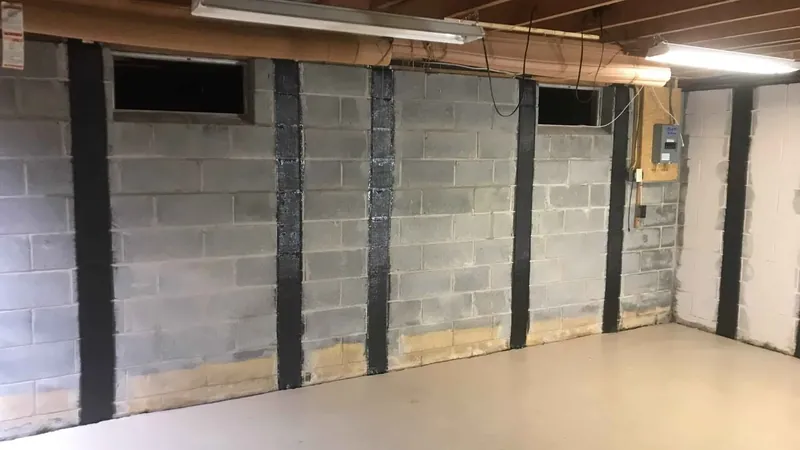
What Homeowners Describe
We see a test kit set on a kitchen counter, or in a bathroom, or beside an open window. Sometimes it sits in a closet or on a shelf above head height. The instruction sheet is still in the box. The location matters more than the device, and the spot chosen often does not match what the test is meant to measure. Placement is usually the last thing anyone reads about.
What Is Usually Happening
A radon test measures the air where people spend time. Placement decides the result as much as the gas does. A test in a closed closet, a damp bathroom, or next to a draft reads the wrong air. Short tests also need closed house conditions, or the reading reflects the weather rather than the home.
What It Does to the House
A test placed badly gives a number that does not describe the house. The result may look low when the living space is higher, or high when the room is not used. Decisions about a system then rest on the wrong measurement. The number looks official either way.
What It Means for the People Inside
A misleading result can leave a home untreated while radon continues to collect. Breathing high levels over time can raise the risk of lung cancer, so the reading needs to reflect real living conditions. A wrong reading can mislead for a long time.
The Next Step That Saves Money
Place the kit in the lowest level that people use, at breathing height, away from drafts, sumps, and exterior walls, and follow the closed house instructions for the full test period. Read the sheet before placing the kit.
EcoSpect works across the Finger Lakes and Central New York, including Jefferson County, Monroe County, Onondaga County, Ontario County, Schuyler County. If you are outside these counties, call (855) DRY-BSMT and we will confirm coverage.
What People Search Next
- radon test placement
- where to place radon test
- radon test kit
- radon closed house
- radon test level
- radon test sump
- home radon test