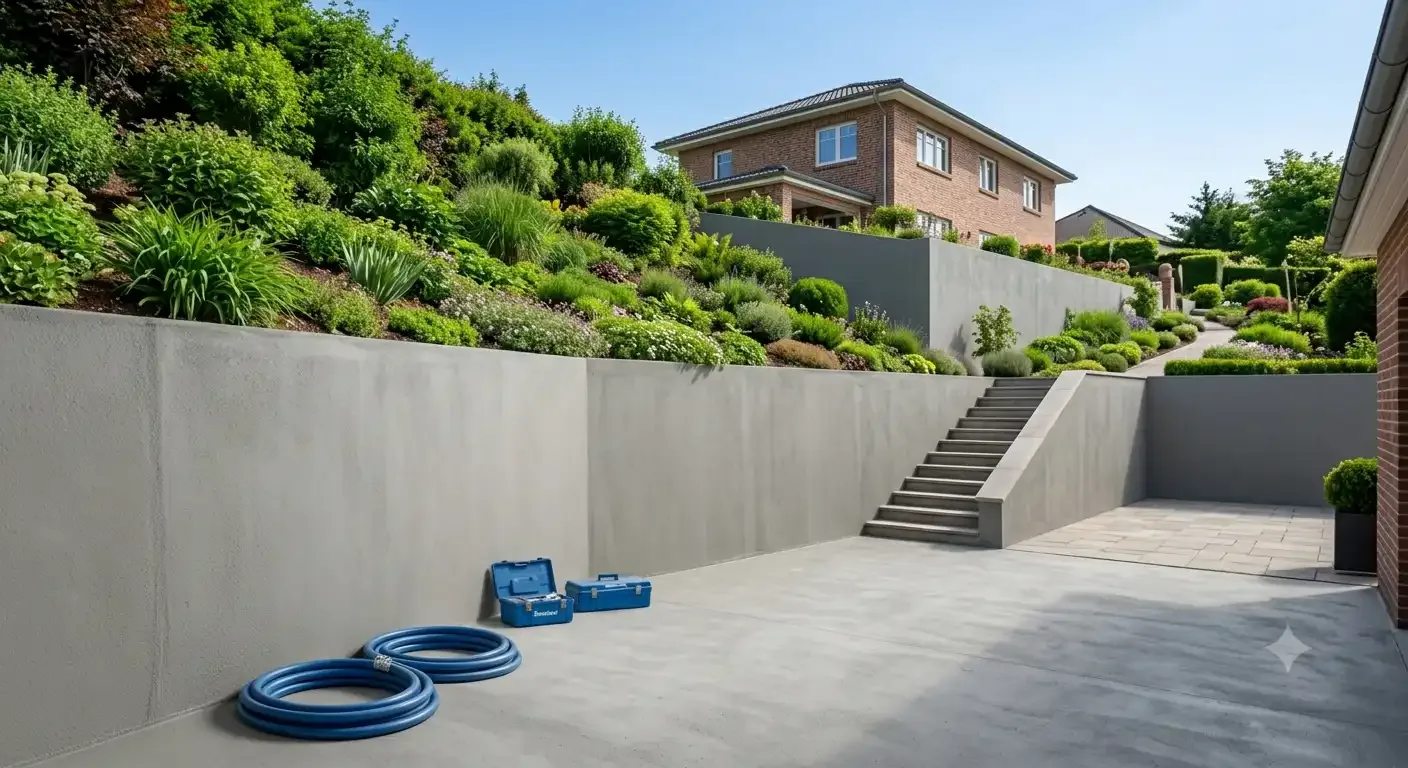
Retaining wall failure under hydrostatic load is a structural problem, not a cosmetic one. Soil saturation increases lateral pressure against the wall face. Outward bowing begins. Displacement progresses at the base. Once visible cracking appears, the failure sequence is already advanced.
EcoSpect bonds a continuous concrete shell to the wall face, restoring load-bearing capacity and stopping infiltration without excavation.
Talk to a specialist and get a clear plan for your property.
Call (855) DRY-BSMTWe recognize that basement waterproofing is a crucial investment for homeowners. To ease the financial burden, we offer a variety of flexible payment and financing options tailored to fit your budget. With numerous credit plans available and no prepayment penalties, you can confidently select a payment plan that meets your needs.

Our partnership with Wisetack provides rates from 0% APR* financing options and no hidden fees.
Apply Now →
We've partnered with Upgrade to offer flexible payment plans with no prepayment penalties, making basement waterproofing affordable.
Apply Now →
0% APR financing available through our lending partners.
Apply Now →Hydrostatic pressure and soil saturation drive retaining wall failure. A bonded gunite shell stops the movement without excavation.
Are you experiencing a cracking retaining wall, outward bowing, or water pushing through the base? EcoSpect offers professional gunite retaining wall restoration across the Finger Lakes region. Gunite application addresses hydrostatic pressure damage, soil saturation failure, and structural displacement.
Our services are tailored to your wall type, site drainage conditions, and the specific load the wall is holding.
Most people ask why gunite instead of full wall replacement. We apply gunite because it restores full load-bearing capacity from the face without excavating behind the wall. Gunite has been proven on retaining walls, culverts, and structural embankments in high-hydrostatic-load environments for decades. One application stops the movement.
Give us a call today at (855) DRY-BSMT.
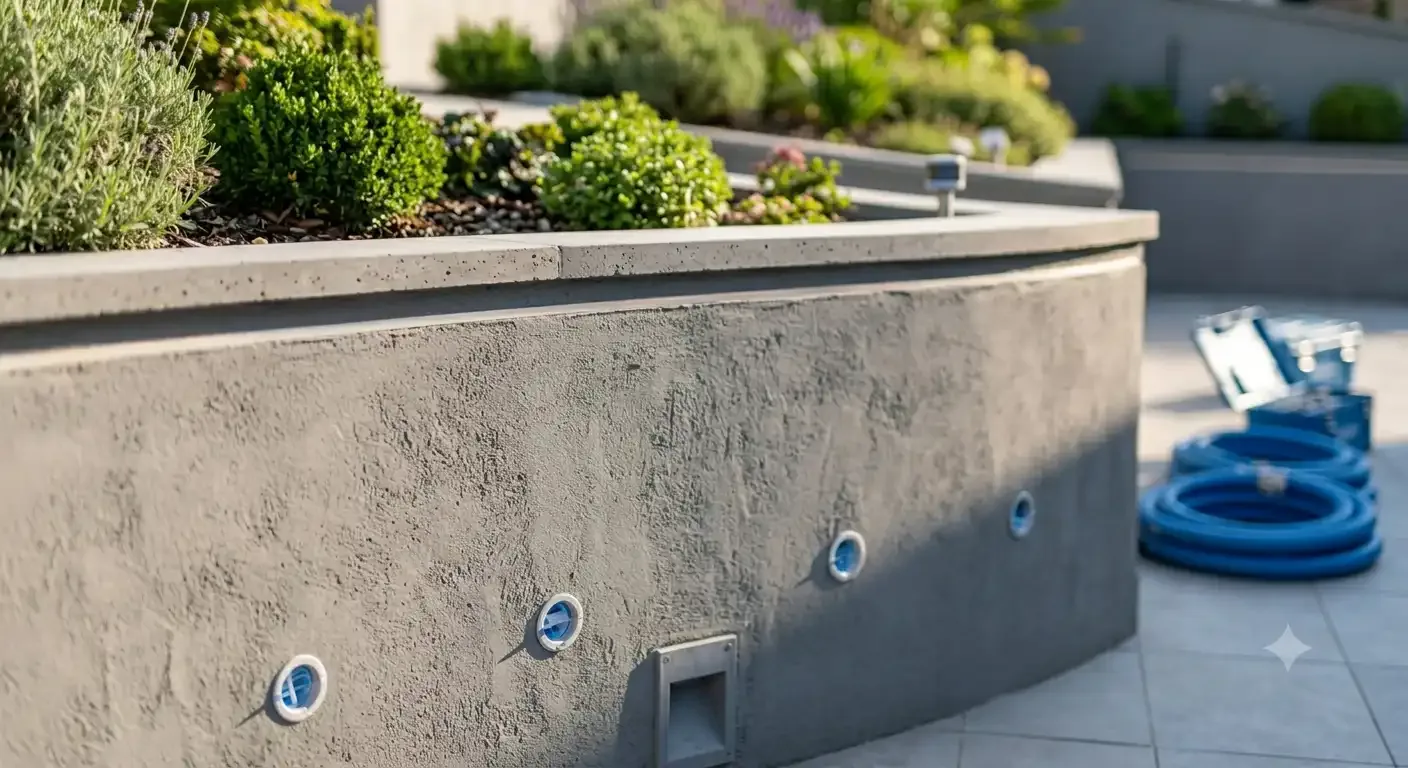
Retaining wall failure is driven primarily by hydrostatic pressure. When soil behind the wall becomes saturated, water pressure builds against the wall face. The wall was designed to hold dry or partially saturated soil at a known weight.
Saturated soil is significantly heavier and exerts lateral pressure that exceeds the wall's original design load. Freeze-thaw cycling compounds this by expanding water in the wall material itself, widening cracks each winter until the wall begins to displace outward.
Gunite is applied as a continuous shell to the wall face under pneumatic pressure. The shell bonds to the existing wall material and adds compressive and tensile strength across the full surface. This stops the outward displacement that hydrostatic pressure was driving.
Drainage conditions are assessed as part of the process to address the root cause of the pressure buildup alongside the structural restoration.
No. Gunite is applied to the face of the wall. The soil and drainage system behind the wall are not disturbed by the application process itself. This is a significant cost and logistics advantage over wall replacement, which requires removing the retained soil, demolishing the wall, rebuilding, and re-grading.
Drainage improvements, if needed, are addressed as a separate scope item during the assessment.
Application time depends on the wall length, height, and access conditions. Most residential and commercial retaining wall projects are completed in one to three days. EcoSpect provides a project-specific timeline during the assessment based on your wall dimensions and site conditions.
Yes. Culvert walls and drainage structure walls are a direct application for gunite restoration. The material bonds to existing concrete and masonry culvert surfaces and restores the structural shell. EcoSpect evaluates drainage flow conditions and structural integrity during the assessment before specifying the application for culvert structures.
Hydrostatic pressure is the force that saturated soil exerts against a wall. Water-saturated soil is substantially heavier than dry soil and presses laterally against the wall face. Retaining walls are designed for specific soil conditions.
When drainage fails or soil composition changes, the actual pressure against the wall can exceed its design load. The wall begins to bow outward. Without intervention, outward displacement accelerates and the wall eventually fails structurally.
Gunite retaining wall restoration is a permanent structural repair when properly applied. The bonded shell does not degrade independently of the wall it is applied to.
The same freeze-thaw and hydrostatic conditions that caused the original failure are now resisted by the combined thickness and strength of the original wall plus the gunite shell. EcoSpect verifies full coverage before leaving the site on every project.
Residential, commercial, or public infrastructure, our team scopes the project and specifies the solution.
Call (855) DRY-BSMT