What Homeowners Describe
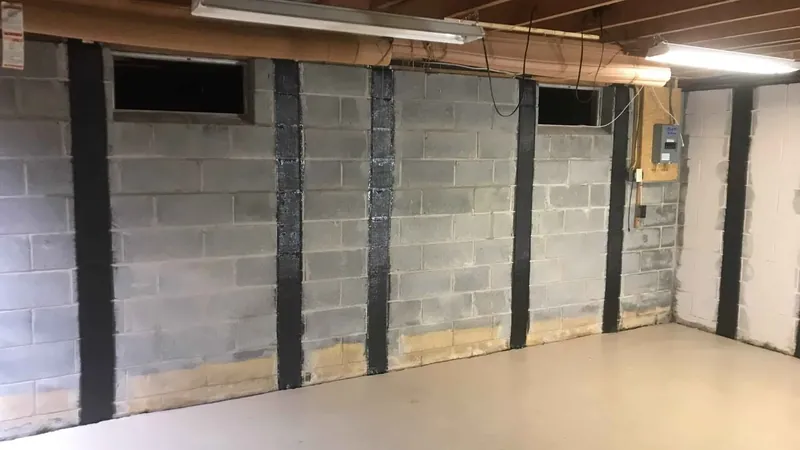
We find the smell strongest near the floor and along the base of the walls. We look for damp patches, white mineral lines, and dark staining on framing or stored boxes. A moisture meter reads high on the lower wall, and the air feels heavy when we come down from upstairs. Boxes against the wall show damp on the block side. We also check the sump pit and any floor drain for odor.
What Is Usually Happening
Musty air is a sign of mold and damp materials, not a stain or a smell on its own. Water enters through the wall, the floor joint, or humid air, and porous materials hold it. Mold grows where a surface stays damp, and the smell is the result of that growth. A dehumidifier only treats the air, not the wall.
What It Does to the House
Left alone, the smell spreads into the rooms above through gaps and ducts. Stored items, framing, and finishes take on moisture and odor, and some cannot be cleaned. The basement becomes a space the family avoids. Damp framing can also attract pests and stain finishes.
What It Means for the People Inside
Mold spores and damp air can bother the eyes, nose, and throat, and may worsen asthma for some people. Long term damp can make the space less healthy for anyone who spends time there. The smell is a signal worth acting on.
The Next Step That Saves Money
Have the space checked with a moisture meter to find where water is entering, then fix that path before cleaning surfaces. Cleaning without fixing the source lets the growth return. Then keep the space dry.
EcoSpect works across the Finger Lakes and Central New York, including Schuyler County, Seneca County, Steuben County, Tompkins County, Wayne County. If you are outside these counties, call (855) DRY-BSMT and we will confirm coverage.
What People Search Next
- musty basement smell
- basement smells damp
- musty odor rain
- basement mold smell
- damp basement
- crawl space smell
- basement odor