What Homeowners Describe
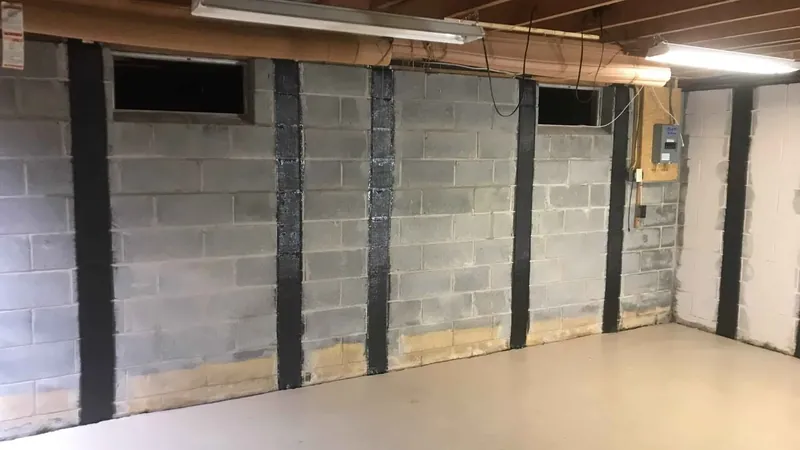
We find downspouts ending within a short distance of the foundation, and some are buried or missing a splash block. The soil is eroded into a trench along the wall, and mulch has washed away. Water pools at the corner. Inside, the wall is damp at the same height, and the floor near it is dark. Gutter seams above the wall show stains where water runs over the edge. The grade in that spot is flat or slopes back to the house.
What Is Usually Happening
A roof collects a large volume of water and sends it down the downspouts. When the outlet is close to the wall, that water lands in one spot and saturates the soil. Saturated soil pushes against the foundation and finds cracks and joints. A short extension or a clogged gutter puts the whole roof load at the wall.
What It Does to the House
The soil at the wall stays wet and the foundation moves with the seasonal change. Water enters the basement and damages finishes. Erosion can undermine a walk or a patio next to the house. The damage repeats with every storm until the outlet is moved.
What It Means for the People Inside
A damp foundation wall can raise humidity inside and support mold on framing and finishes. Standing water at the wall can breed mosquitoes. Puddles on walks near the house are a slip risk in cold weather.
The Next Step That Saves Money
Extend each downspout so water lands well away from the wall, and check that the gutters carry water to the outlet without overflowing. A splash block alone does not move enough water. Then watch the wall during the next rain.
EcoSpect works across the Finger Lakes and Central New York, including Chemung County, Cortland County, Jefferson County, Monroe County, Onondaga County. If you are outside these counties, call (855) DRY-BSMT and we will confirm coverage.
What People Search Next
- downspouts dumping water at foundation
- downspout extension
- gutter water at basement wall
- roof water foundation damage
- downspout splash block
- yard erosion at foundation
- gutter overflow basement